

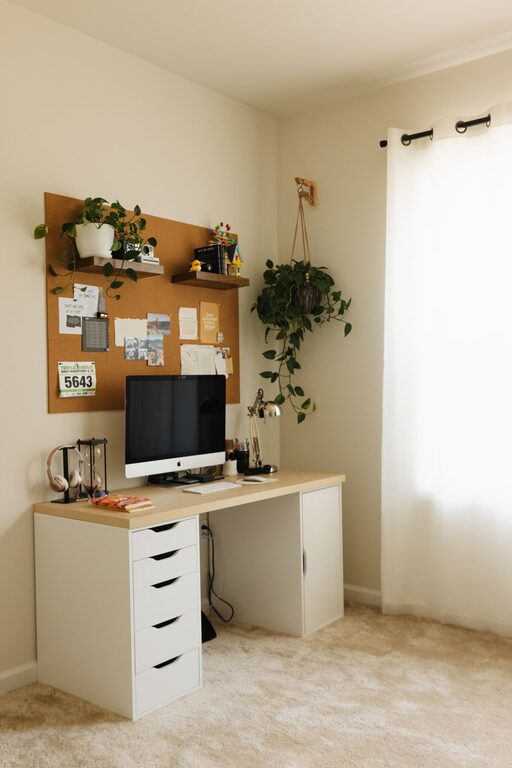
Creating a home office that feels both cozy and productive can greatly enhance your work-from-home experience. Whether you’re setting up a space from scratch or updating an existing area, small changes can make a big difference in comfort and efficiency. This guide will walk you through practical tips to build a home office that inspires focus while keeping you relaxed and motivated.
Choose the Right Location
Consider Natural Light
Selecting a spot with plenty of natural light is one of the simplest ways to boost mood and energy. If possible, position your desk near a window. Natural light can reduce eye strain and create a more inviting atmosphere.
Minimize Distractions
Choose a space that allows for concentration. Ideally, this should be a quieter area of your home, away from high-traffic zones like the kitchen or living room. Consider the noise level and any other interruptions you might encounter.
Think About Privacy and Boundaries
Having a dedicated office space helps to create a mental boundary between work and home life. If sharing space with others, find ways to mark your area clearly—like a room divider or a distinct rug to define the boundaries.
Invest in Comfortable and Functional Furniture
Choose an Ergonomic Chair
Comfortable seating is key for long workdays. An ergonomic chair supports good posture and reduces back pain. Look for adjustable height, lumbar support, and cushioned seating.
Find a Desk That Fits Your Needs
Select a desk that’s the right size for your work materials and equipment, but also fits well in your space. Standing desks or adjustable sit-stand desks are great if you want to change positions throughout the day.
Organize with Storage Solutions
Clutter can distract and reduce productivity. Use shelves, filing cabinets, or desk organizers to keep supplies and paperwork in order. Efficient storage helps maintain a neat, inviting space.
Personalize Your Space for Comfort and Inspiration
Add Cozy Textures
Incorporate soft elements like rugs, cushions, or blankets. These add warmth and comfort, helping your office feel less sterile and more like your own space.
Use Calming Colors
Colors influence mood and focus. Soft blues, greens, or neutral tones often create a calm environment. Choose colors you enjoy that help you stay relaxed but alert.
Bring in Personal Touches
Photos, artwork, or plants can make your workspace feel welcoming. Just be careful not to overcrowd the space; balance personal items with professional organization.
Optimize Lighting for Comfort and Efficiency
Combine Natural and Artificial Light
While natural light is preferred, additional lighting is important for overcast days or evening work. Use desk lamps with adjustable brightness and color temperature to reduce eye strain.
Avoid Glare and Shadows
Place monitors and lights to minimize glare on screens. Position lighting sources so that they don’t cast distracting shadows while you work.
Create a Productive Environment
Set Up Technology Efficiently
Keep your computer, printer, and other tech gear organized and within easy reach. Use cable management tools to prevent cords from tangling or cluttering your space.
Make Use of Noise Control
If noise is a concern, consider soundproofing options like rugs, curtains, or white noise machines. Noise-canceling headphones can also help maintain focus.
Incorporate Break Areas
If space allows, include a small corner for breaks. A comfy chair or a stretch area encourages you to step away from the desk and recharge.
Maintain Healthy Work Habits
Keep Your Workspace Tidy
At the end of each day, take a few minutes to clear your desk. A clean space helps you start fresh each morning.
Designate Work Hours
Establish consistent start and stop times for work to improve work-life balance, especially when your office is at home.
Add Plants for Air Quality and Mood
Plants not only beautify your space but can also improve air quality and reduce stress. Choose low-maintenance plants like snake plants or pothos.
Conclusion
Creating a home office that is both cozy and productive is about balancing comfort with functionality. By thoughtfully choosing your location, investing in ergonomic furniture, personalizing the space, optimizing lighting, and fostering good work habits, you can build an environment that supports both your well-being and your work goals. Whether you’re working full-time from home or just need a quiet spot for occasional tasks, these tips will help you make the most of your office space.